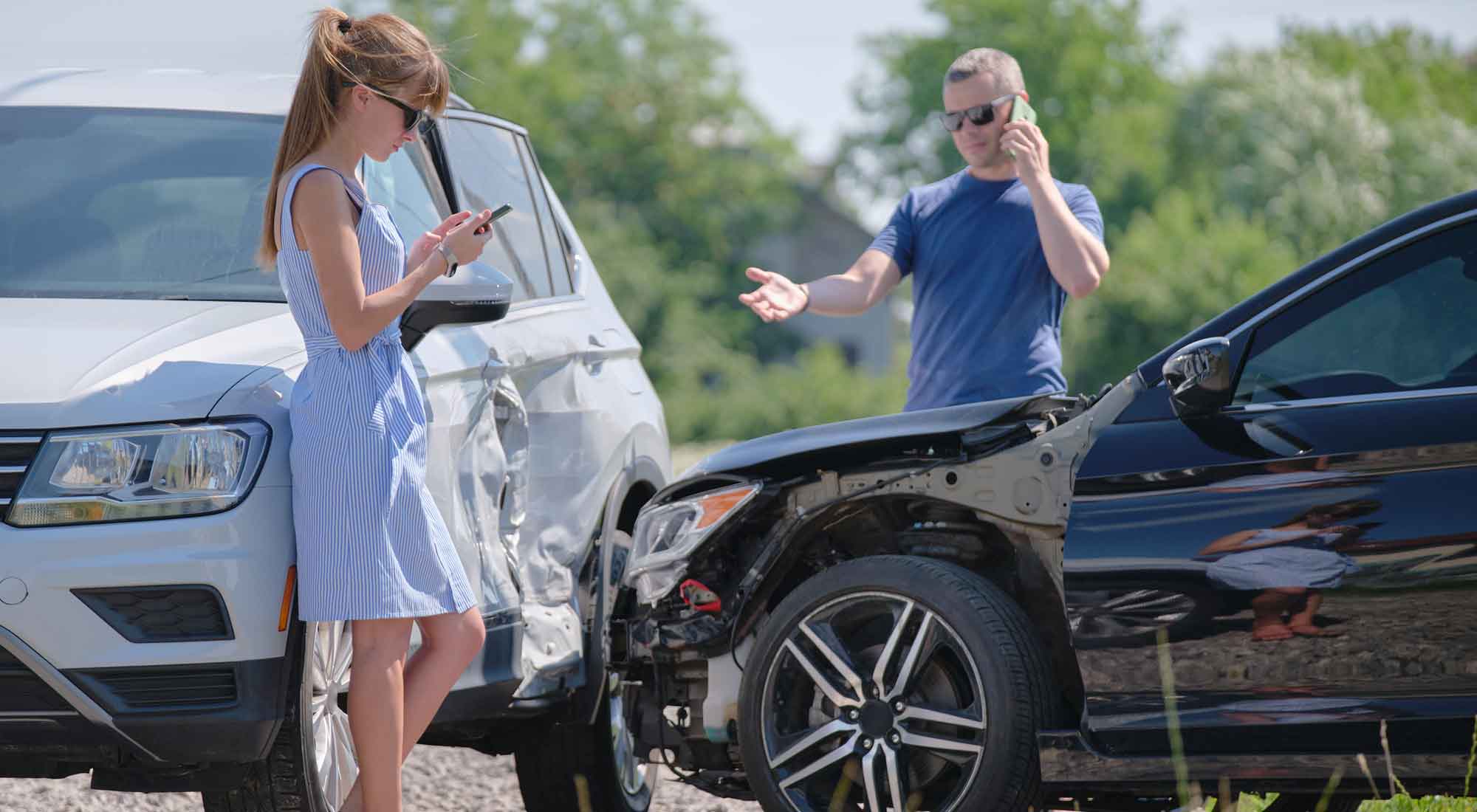
Being involved in a car accident is stressful enough. Discovering that the driver who caused the accident does not have insurance can make the situation even more complicated.
If you were injured by an uninsured driver in Florida, you may still have legal options for pursuing compensation. Your own insurance policy may provide an important source of protection, particularly if you have uninsured motorist coverage.
Understanding how uninsured motorist coverage works and what steps to take after an accident can help protect your rights.
What Is an Uninsured Driver?
An uninsured driver is generally someone who does not have applicable insurance coverage to pay for damages resulting from an accident.
Florida law addresses uninsured and underinsured motorist coverage through Florida Statute §627.727. The statute generally requires uninsured motorist coverage to be provided with certain bodily-injury liability policies unless the coverage is rejected in writing or otherwise limited as permitted by law. (Florida Senate)
However, insurance policies can contain important terms, conditions, exclusions, and limitations. You should not assume that your policy will automatically cover every loss.
What Is Uninsured Motorist Coverage?
Uninsured motorist coverage, often called UM coverage, can provide protection when you are legally entitled to recover damages from an uninsured motorist because of bodily injury.
This coverage can be particularly important when the at-fault driver has no insurance or when available liability coverage is insufficient to compensate you for your injuries.
Florida’s uninsured-motorist statute addresses coverage for people who are legally entitled to recover damages from uninsured motor vehicles because of bodily injury, sickness, disease, or death. (Florida Senate)
Your specific policy determines what coverage is available and how the claim will be handled.
What If the Other Driver Has Some Insurance but Not Enough?
This is where the distinction between uninsured and underinsured motorists becomes important.
An underinsured driver may have insurance, but the available policy limits may not be enough to cover the damages resulting from a serious accident.
For example, suppose you suffer significant injuries and the at-fault driver’s insurance coverage is insufficient to fully compensate you. Depending on your policy and circumstances, underinsured motorist coverage may provide another potential source of compensation.
An attorney can review the available insurance policies and determine what coverage may apply.
What Should You Do After an Accident With an Uninsured Driver?
Your actions immediately following an accident can be important.
1. Seek Medical Attention
If you are injured, seek appropriate medical attention. Some accident-related injuries may not be immediately obvious.
2. Report the Accident
Depending on the circumstances, contact law enforcement and obtain an accident report.
3. Document the Scene
If it is safe to do so, take photographs or video of:
- The vehicles
- Damage
- Road conditions
- Traffic signals
- Visible injuries
- Surrounding property
4. Gather Information
Obtain the other driver’s information, including their name, contact information, driver’s license information, and insurance information if available.
Also identify potential witnesses.
5. Notify Your Insurance Company
Notify your insurance carrier about the accident. However, be careful about providing statements regarding fault or the extent of your injuries without understanding how those statements may affect your claim.
6. Review Your Insurance Policy
Look for uninsured motorist or underinsured motorist coverage.
Because insurance policies can be complicated, an attorney can help determine what coverage may apply to your circumstances.
Can You Sue an Uninsured Driver?
Potentially, yes. Whether pursuing the uninsured driver personally makes financial sense depends on the facts of the case and the driver’s assets and ability to satisfy a judgment.
In many cases involving uninsured drivers, the more important question may be whether other applicable insurance coverage exists.
This could include uninsured or underinsured motorist coverage under your own automobile policy or other potentially applicable insurance policies.
What If the Insurance Company Denies Your Claim?
An insurance company may dispute liability, the extent of your injuries, the amount of damages, or whether a particular policy provides coverage.
A denial does not necessarily mean that you have no legal options.
An attorney can review the accident circumstances, medical records, insurance policies, photographs, accident reports, witness statements, and other evidence to determine how your claim should proceed.
Don’t Assume You Have No Options
Being hit by an uninsured driver does not necessarily mean you are left without a way to pursue compensation.
The insurance coverage available after an accident depends on the specific facts, the applicable policies, and Florida law.
If you were injured, it is important to identify all potentially applicable sources of insurance coverage before assuming that there is no recovery available.
Contact a Florida Personal Injury Attorney
If you were injured in an accident caused by an uninsured or underinsured driver, Lance P. Richard, P.A. can help you understand your legal options.
Attorney Lance P. Richard represents individuals injured in motor vehicle accidents and other personal injury matters throughout the Treasure Coast.
If you were injured in Stuart, Martin County, Port St. Lucie, or surrounding Florida communities, contact Lance P. Richard, P.A. to discuss your accident and potential claim.
Need help? Learn more about working with a Stuart car accident lawyer, or call (772) 223-9600 for a free consultation.