What You Need to Know — And What to Do If You’re Injured
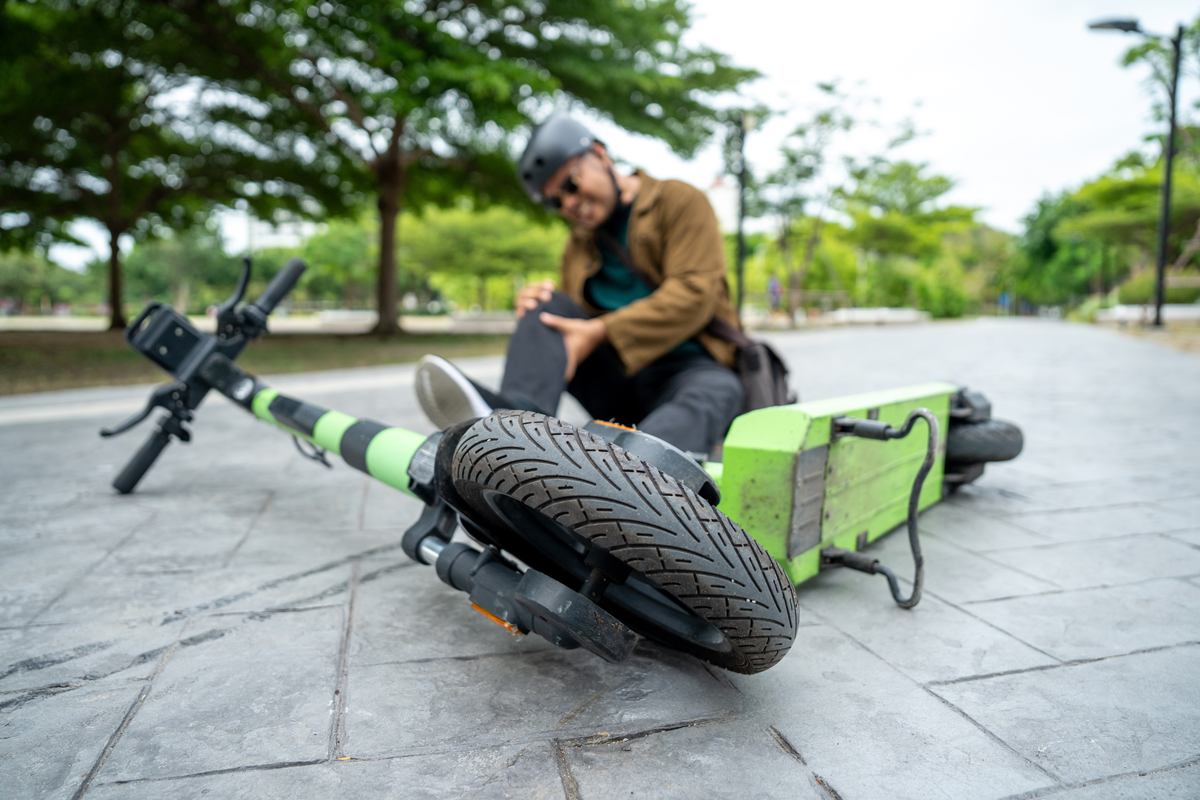
E-bikes and electric scooters are everywhere across the Treasure Coast—from downtown Stuart to Port St. Lucie and Fort Pierce. They’re convenient, fast, and fun—but they also come with serious risks.
As more riders hit the roads and sidewalks, accidents are increasing—and so are legal complications.
At igotlance.com, Attorney Lance Richards helps injured riders understand their rights and fight for the compensation they deserve.
Florida E-Bike & Scooter Laws Explained
Florida law generally treats e-bikes like traditional bicycles—but not all e-bikes are the same.
The 3 Classes of E-Bikes
- Class 1: Pedal-assist only (max 20 mph)
- Class 2: Throttle-powered (max 20 mph)
- Class 3: Pedal-assist up to 28 mph
Class 3 e-bikes are subject to stricter rules and are often restricted from certain paths and sidewalks.
Basic Rules Riders Must Follow
- Follow all standard traffic laws
- Ride in bike lanes where available
- Use lights at night
- Helmets required for riders under 16 (and recommended for all)
Unlike motorcycles or mopeds, most e-bikes do not require a license, registration, or insurance.
Local Rules on the Treasure Coast Are Changing
One of the biggest mistakes riders make is assuming the rules are the same everywhere—they’re not.
Cities across the Treasure Coast, including Stuart, Port St. Lucie, and Fort Pierce, are actively updating local ordinances.
What This Means for You
- Some areas ban e-bikes and scooters on sidewalks
- Others enforce reduced speed limits in pedestrian zones
- Beach paths and downtown districts may have additional restrictions
- Riders must always yield to pedestrians
Bottom line: Where you ride—and how you ride—can directly impact your safety and your legal case if an accident happens.
Where E-Bike & Scooter Accidents Happen Most
On the Treasure Coast, we regularly see serious accidents involving:
- Busy intersections along US-1
- A1A and coastal roadways
- Sidewalks in high foot-traffic areas
- Parking lots and shopping centers
Because e-bikes can reach high speeds quickly, injuries are often severe.
Common Injuries Include:
- Head and brain injuries
- Broken bones
- Road rash and lacerations
- Neck and spinal injuries
Who Is Responsible After an E-Bike Accident?
Determining fault isn’t always straightforward.
Attorney Lance Richards investigates every angle to identify who is responsible, which may include:
- Negligent drivers
- Government entities (unsafe roads or poor signage)
- E-bike or scooter manufacturers
- Rental companies
- Other riders or pedestrians
Even if you were partially at fault, you may still be entitled to compensation under Florida law.
What To Do After an E-Bike or Scooter Accident
If you’ve been injured, what you do next is critical.
1. Get Medical Help Immediately
Your health comes first—and medical records are key evidence.
2. Call the Police
An official accident report strengthens your claim.
3. Gather Evidence
Take photos, collect witness info, and document everything.
4. Avoid Speaking to Insurance Adjusters Alone
They are trained to minimize payouts.
5. Contact Attorney Lance Richards
The sooner you involve an attorney, the better your chances of protecting your case.
Why Choose Lance Richards for Your Injury Case
E-bike and scooter accidents are not simple cases. They often involve overlapping laws, local ordinances, and aggressive insurance defense strategies.
Attorney Lance Richards understands how to:
- Navigate Florida’s evolving e-bike laws
- Prove liability—even in complex cases
- Maximize compensation for medical bills, lost wages, and pain and suffering
At igotlance.com, the focus is simple: protecting injured clients and holding negligent parties accountable.
Injured on an E-Bike? Get Help Today
If you or a loved one has been injured in an e-bike or scooter accident on the Treasure Coast, don’t wait.
You may be entitled to compensation—and time is limited to file a claim.
Contact Attorney Lance Richard today for a consultation and get the guidance you need to move forward.
Need help? Learn more about working with a Stuart bicycle accident lawyer, or call (772) 223-9600 for a free consultation.